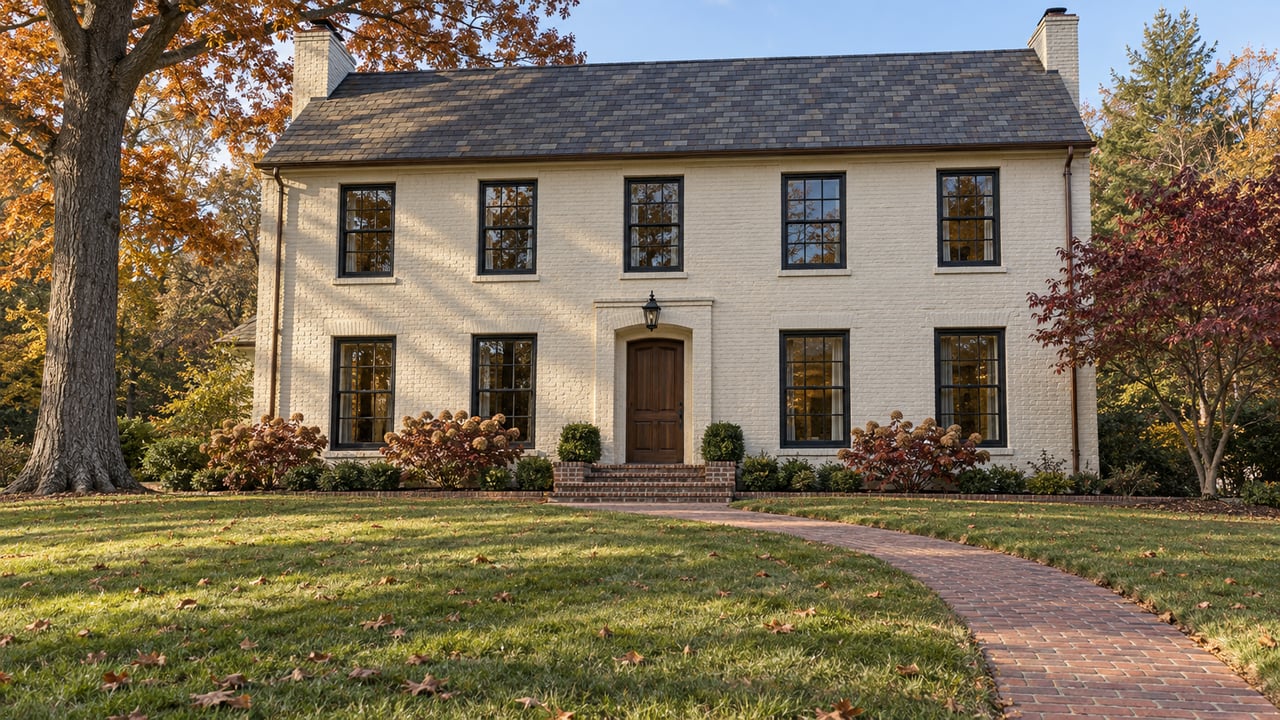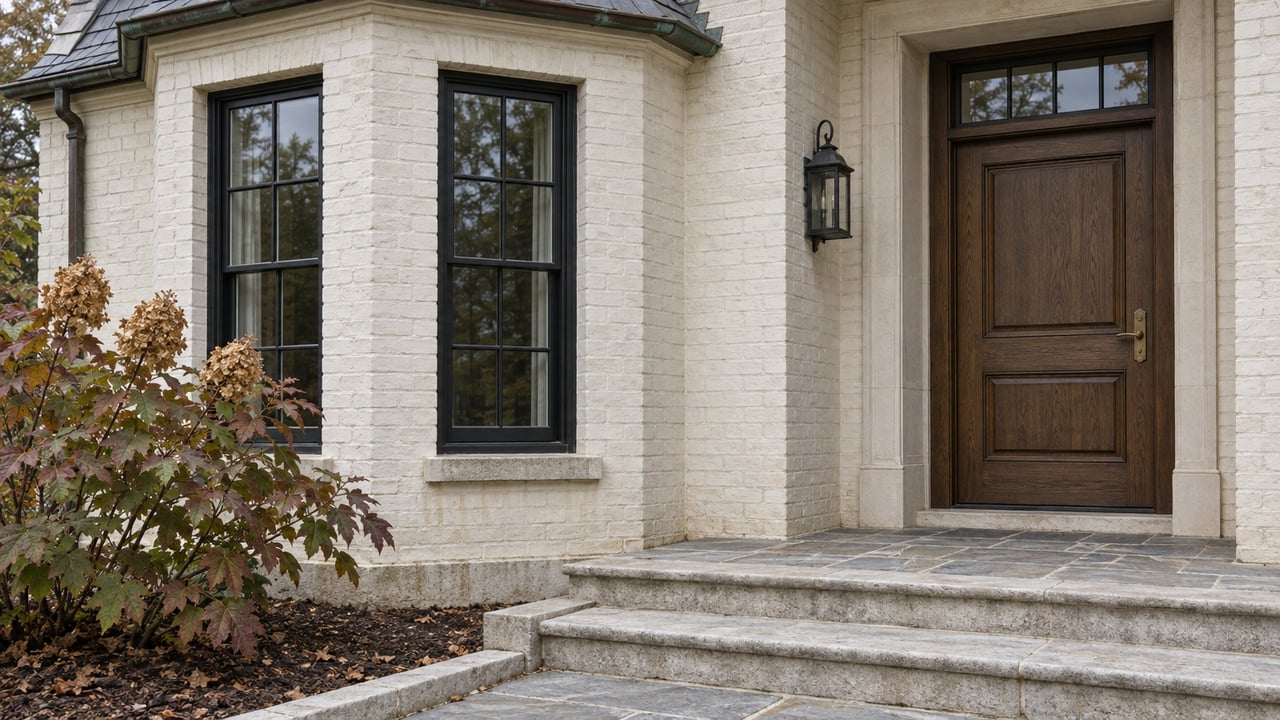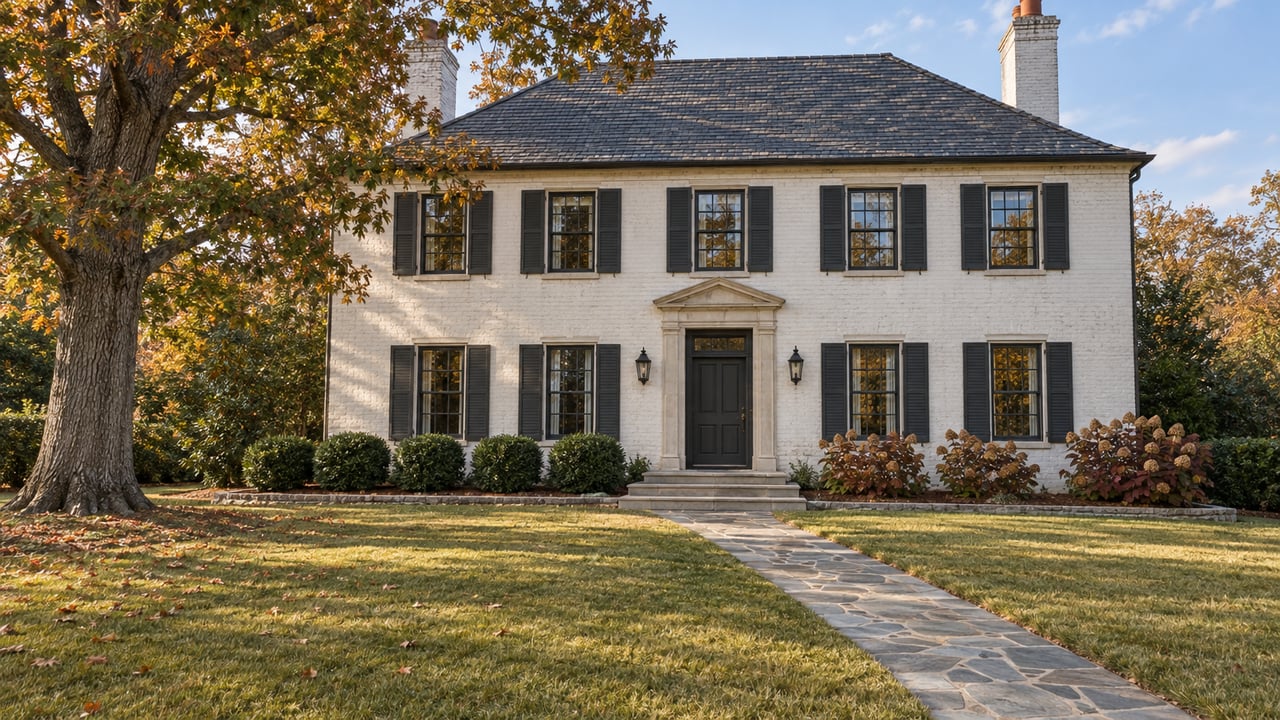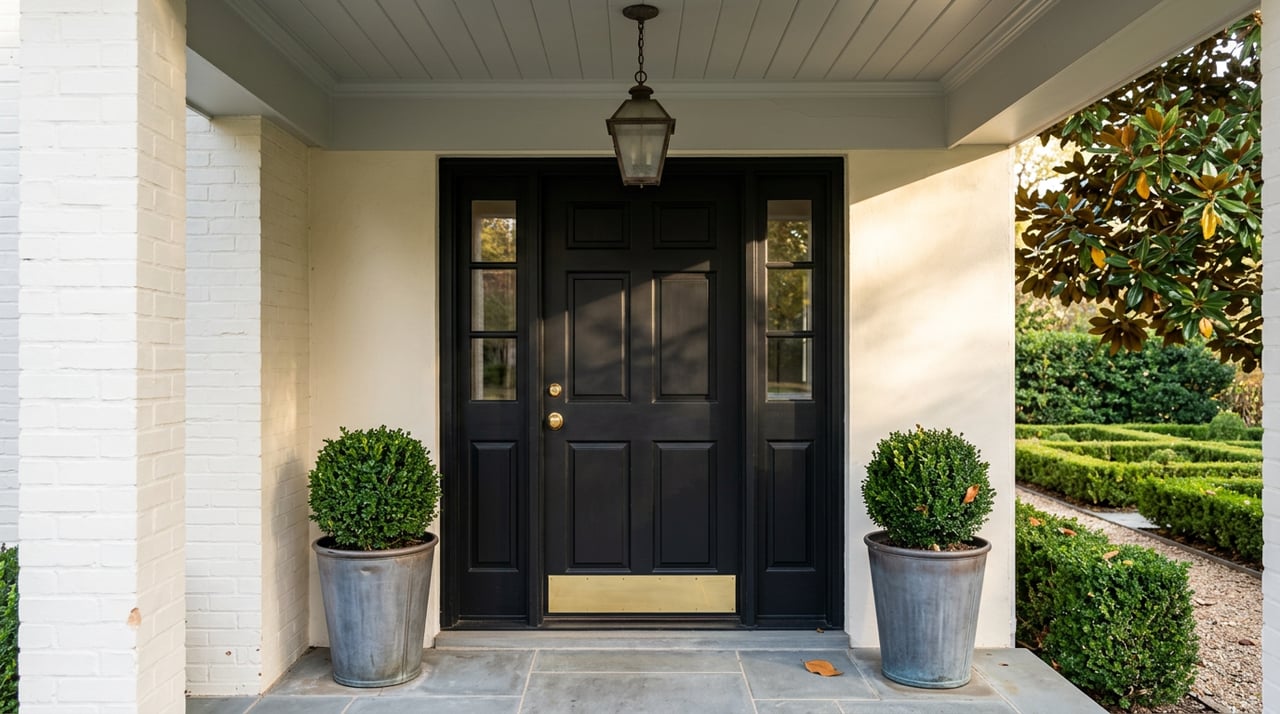
Two listings sit side by side on the portal. Both say Atlanta, GA. One is a painted-brick traditional off West Paces Ferry in Buckhead. The other is a townhome a mile away, across the Chattahoochee, near Vinings Jubilee. Same city on the label. Same commute to Midtown. Same private school options along the Paces corridor.
The tax bills will not be the same. Not close.
That gap is the story most cross-shoppers miss, and it is not a rounding error. It follows from a small piece of postal geography that the U.S. Postal Service settled decades ago and that Cobb County has quietly built a very different tax structure around. If you are weighing Vinings against Buckhead, the "Atlanta" on the Vinings listing is the least useful word on the page.
The address is a mail-sorting artifact
Vinings is not a city. It is an unincorporated community and census-designated place in Cobb County, running along the Chattahoochee across from Buckhead. The Postal Service assigns "Atlanta" to ZIP Code 30339, which covers the area of Cobb County between I-285 and the river; Vinings itself sits under the jurisdiction of Cobb's county commission, and past cityhood conversations were shelved largely over concerns about potential property tax increases.
The distinction matters because the city on your mailing label is decided by which post office sorts the mail, not by which government taxes the property. A "Marietta, GA" address does not mean you live in the City of Marietta; the USPS city just reflects the sorting facility, while living within the city limits is what decides whether you are a citizen of that city. Vinings is the same story with a more valuable label. The 30339 ZIP reads "Atlanta" and prices like Atlanta on some search filters, but the taxing authority is Cobb County, the school district is Cobb County Schools, and the zoning is set at the county level rather than by the City of Atlanta.
The buyer who understands that before offering has a different negotiation than the buyer who learns it at the closing table.
What the millage stack actually looks like
Georgia taxes the assessed value of a home, which is 40% of fair market value, at a combined millage rate stacked from several taxing authorities. In a City of Atlanta address inside Fulton County, that stack usually includes Fulton County, Atlanta Public Schools, and the City of Atlanta. In unincorporated Vinings, the city layer is missing, and the county and school pieces are set by Cobb.
Here is what those stacks look like in 2025, the most recent approved cycle:
| Location | 2025 combined millage | Effective tax rate | Source anchor |
|---|---|---|---|
| Unincorporated Cobb (Vinings) | ~30.13 mills, schools 18.70 | ~0.68–0.69% | Cobb County Tax Commissioner |
| Fulton County (City of Atlanta parcel) | 34+ mills after city layer | ~1.05–1.16% | Fulton County Tax Commissioner |
Cobb publishes a clear "Cobb County Bills" breakdown for the unincorporated area totaling 30.13 mills, with schools at 18.70 mills of that total, meaning schools alone are the majority of the stack. Cobb's own biennial budget book points to a millage rate lower than the City of Atlanta and the neighboring Gwinnett, Fulton, and DeKalb counties, and the Tax Foundation's effective-rate math puts Cobb at 0.69% with a median annual bill of $2,560. Fulton, by comparison, runs materially higher. The Fulton County effective property tax rate is 1.16%, while homeowners in Cobb County cities pay a property tax rate of 0.86%.
Translate that to a $1.5M home. At the unincorporated Cobb 30.13-mill rate, the base bill lands in the neighborhood of $18,000 before homestead. The same $1.5M home inside the City of Atlanta with a Fulton stack lands closer to $22,000 to $24,000. A recent Atlanta property tax guide put the gap on comparable million-dollar homes at roughly $5,200 per year, or about $52,000 across ten years of ownership, favoring the Cobb address. That is not a marketing flourish. It is the compounding math of one missing city layer and one lower school rate.
The age-62 rule that quietly reshapes the downsizer math
The tax gap widens sharply for one buyer profile: the empty-nester leaving a larger Buckhead house for a lower-maintenance home across the river.
Cobb County exempts age-62 seniors from 100% of school taxes with no income limit, and combined with the modest state-level school exemption, Cobb seniors effectively pay zero school tax on their homesteads, one of the most generous senior school tax provisions in the country. That is the rule. The consequence is where the story gets interesting.
Schools are 18.70 of the 30.13-mill unincorporated Cobb stack. Eliminate them at age 62, and the effective rate on a Vinings homestead falls by more than half. The exemption kicks in at age 62 with no income test and no means test, and at the current 18.7-mill school rate the exemption saves roughly $2,200–$3,400 per year on a $300,000–$450,000 home. On a $1.5M Vinings home, the annual school-tax savings scale into five figures. Filing is a one-time application by April 1, HB 92 (2025) now allows late applications before the Notice of Assessment appeal deadline, and the exemption auto-renews as long as you own and occupy the home.
The Buckhead-to-Vinings downsizer is not really trading square footage. They are trading a Fulton stack that keeps school taxes on the bill for a Cobb stack that removes them at 62.
Suburban Cobb exempts all people age 62 or above from the Cobb County School District portion of property taxes, while Fulton County has much more complicated provisions, exempting $54,000 of assessed value from Fulton County School System taxes for those age 65 and above with an income limit, and other jurisdictions in the region offer no age-based property tax exemptions. Two homes with similar market values, similar buyers, and similar equity produce very different annual carrying costs across the river.
One transaction-side note that catches sellers off guard: the exemption is tied to the owner, not the parcel. The exemption doesn't transfer with the property; it's tied to you as the owner, so a buyer who doesn't qualify for the age-62 exemption will pay the full school tax after closing. A senior-occupied listing showing a very low current tax bill is not what the next owner will pay. Underwriting an offer off the seller's tax history is a common Vinings mistake.
Why the Vinings median hides more than it shows
The tax picture only sharpens once you look at what your money buys in Vinings, because the CDP is small and the housing mix is unusually wide for three and a third square miles.
The Vinings housing market is somewhat competitive, with a median sale price of $473K over the three months ending May 2026, a median sale price per square foot of $247, and homes selling after 35 days on market compared to 40 days last year. That $473K median is not the whole neighborhood. It reflects a housing mix that runs from mid-rise condos and Paces-adjacent townhomes at the low end up to riverfront estate parcels well into seven figures.
The wider Vinings submarket resale data shows the spread clearly, with luxury townhomes near $400,000 and custom estate properties scaling toward $2,500,000 across the same three and a third square miles. That is the trap in reading the median. A $473K Vinings condo and a $2.4M Vinings estate share a ZIP code, a taxing authority, and a school district, but they are not the same product and they do not attract the same buyer. The tax advantage over Buckhead compounds with price, so the higher up the Vinings ladder you climb, the more the millage gap actually funds.
Amenity access is roughly a wash with the Paces side of Buckhead. Historic anchors like the Pace House, the shops and restaurants at Vinings Jubilee, and Canoe on the riverbank sit within Vinings, and The Battery Atlanta and Truist Park are next door in Cumberland. Home Depot is headquartered inside the CDP. What changes when you cross the river is not the lifestyle. It is the stack.
What this means at the closing table
Three points of transaction friction come up in Vinings deals more than they do in Buckhead deals.
- Tax proration is not the future bill. Prorations at closing use the seller's most recent bill, which for a long-tenured senior owner may reflect the school-tax exemption. Escrow estimates that anchor to that number will understate what the buyer owes in year one.
- Homestead resets on transfer. A new owner has to file for homestead in Cobb, and the age-62 school exemption does not carry over from the seller. Buyers under 62 should plan for the full unincorporated Cobb rate on the new assessed value.
- Assessment reset risk after sale. Cobb assessors, like most in the metro, use recent sales data. A closing at the top of the local comp set can pull the next assessment upward, and the appeal window is short. Reviewing the Notice of Assessment when it arrives is worth doing carefully rather than filing it with the closing paperwork.
None of this changes whether Vinings is the right neighborhood. It changes what the number on the offer means over a ten-year hold.
FAQ
Is a Vinings home actually in the City of Atlanta? No. Vinings is an unincorporated community and census-designated place in Cobb County, and the "Atlanta" on ZIP Code 30339 is a USPS designation for the area between I-285 and the Chattahoochee River, not a city-limits assignment.
Do Vinings homeowners pay a City of Atlanta millage? No. Because Vinings sits in unincorporated Cobb, there is no city millage layer on top of the county and school rates. The 2025 unincorporated Cobb total is 30.13 mills, with schools accounting for 18.70 of that.
How does Cobb's senior school-tax exemption compare to Fulton's? Cobb removes 100% of school taxes for owners 62 and up with no income limit. Fulton exempts $54,000 of assessed value from school taxes at age 65 with an income cap and adds a full county-tax exemption at age 70 with a higher income limit. The Cobb rule is broader, earlier, and unrestricted by income.
Will my Vinings tax bill match the seller's? Not necessarily. Cobb reassesses after transfer and homestead does not carry over. A senior seller's very low bill reflects an exemption tied to that owner, not to the property.
Working through the Vinings-versus-Buckhead math
The address on a Vinings listing may say Atlanta, but the numbers behind it are set by Cobb. That single fact reorders how a Buckhead cross-shopper should think about carrying cost, hold horizon, and the point at which downsizing across the river stops being a lifestyle question and starts being a tax question. Every situation is specific, and the exemptions, prorations, and appeals in a given deal deserve a careful look before you sign.
If you are comparing homes on both sides of the river and want a clear read on how the math plays out for your price band and time horizon, Robert Peterson works these deals on both sides of the Chattahoochee. Let's Connect.