If you price a Buckhead home using one broad average, you can miss the market by a wide margin. That is frustrating when you want a strong sale, a smooth timeline, and fewer pricing surprises once your home hits the market. The good news is that Buckhead pricing becomes much clearer when you narrow the focus, study the right comparable sales, and adjust for what buyers actually respond to today. Let’s dive in.
Buckhead Is Not One Pricing Market
Buckhead includes several distinct neighborhoods and price pockets, and that matters from the start. Official Atlanta City Council materials recognize neighborhoods such as Buckhead Forest, Garden Hills, North Buckhead, Peachtree Hills, Peachtree Park, Pine Hills, and Ridgedale Park, split across Districts 7 and 8 by Roswell and Peachtree Roads.
In practical terms, that means your home should not be priced from a single Buckhead average. A home in Garden Hills, a condo near Buckhead Village, and a larger property in 30327 can attract very different buyer pools and perform on different timelines.
The local numbers show just how wide the spread can be. In March 2026, listing prices in 30326 ranged from $299,500 in Ridgedale Park to $799,000 in Garden Hills, while 30327 ranged from $332,000 in Paces to $4,999,500 in Mt. Paran. Chastain Park was at $3,000,000, and Tuxedo Park was at $1,937,500.
That is why smart pricing in Buckhead starts small, not broad. The closer you can stay to your home’s true micro-market, the better your pricing strategy tends to be.
Start With Recent Comparable Sales
The best pricing anchor is still recent comparable sales. Valuation guidance used in lending and appraisal practice compares your home to similar nearby homes and adjusts for differences in features, condition, and market timing.
When possible, comparable sales closed within the last 12 months should be used. In some cases, an older sale may still be useful if it better matches your home and needs fewer adjustments, but market conditions should be reviewed to account for any change since that property went under contract.
For Buckhead sellers, that means you should focus on comps that match your home in the ways that matter most:
- Property type
- Micro-neighborhood
- Price segment
- Lot and site position
- Condition and update level
- Overall buyer appeal
A renovated traditional home in Garden Hills should not be priced the same way as a luxury estate in 30327 or a condo in a more vertical part of Buckhead. Even if those homes share a Buckhead address, the market may not treat them as close substitutes.
Watch Timing Across Buckhead Zip Codes
Pricing is not just about value. It is also about pace.
Through March and April 2026, Buckhead-area zip codes were moving at different speeds. In 30326, there were 125 active listings, the median sold price was $353,750, median days on market were 62, and homes sold for 96% of list price. In 30327, there were 182 active listings, the median sold price was $1,450,000, median days on market were 53, and homes sold for 98% of list.
In 30342, the median listing price was $912,500 and median days on market were 39. In 30305, there were 365 active listings, the median listing price was $435,000, median days on market were 53, homes sold for 97% of list, and Realtor.com labeled the area a buyer’s market.
Even within the same zip code, timing can vary. In 30326, neighborhood days on market ranged from 33 days in East Chastain Park to 55 days in South Tuxedo Park. In 30327, the range ran from 34 days in Tuxedo Park to 72 days in Mt. Paran.
The lesson is simple: a fast-moving pocket and a slower-moving pocket should not always be priced from the same assumptions. If your home competes in a slower segment, buyers may be more price-sensitive and less willing to overlook overpricing.
Adjust for Condition and Updates
Once you identify the right comps, the next step is adjustment. Buyers do not compare homes as if they are all equal, and neither should your pricing strategy.
Condition, quality, layout, and features all affect value. Valuation guidance also recognizes factors such as square footage, bedroom and bath count, year built, view, and site influence. A busy street, for example, can affect market reaction just as much as a strong renovation can improve it.
That does not mean every improvement adds value dollar for dollar. Instead, updates tend to help most when they improve how your home compares to nearby alternatives.
In Buckhead, that often includes things like:
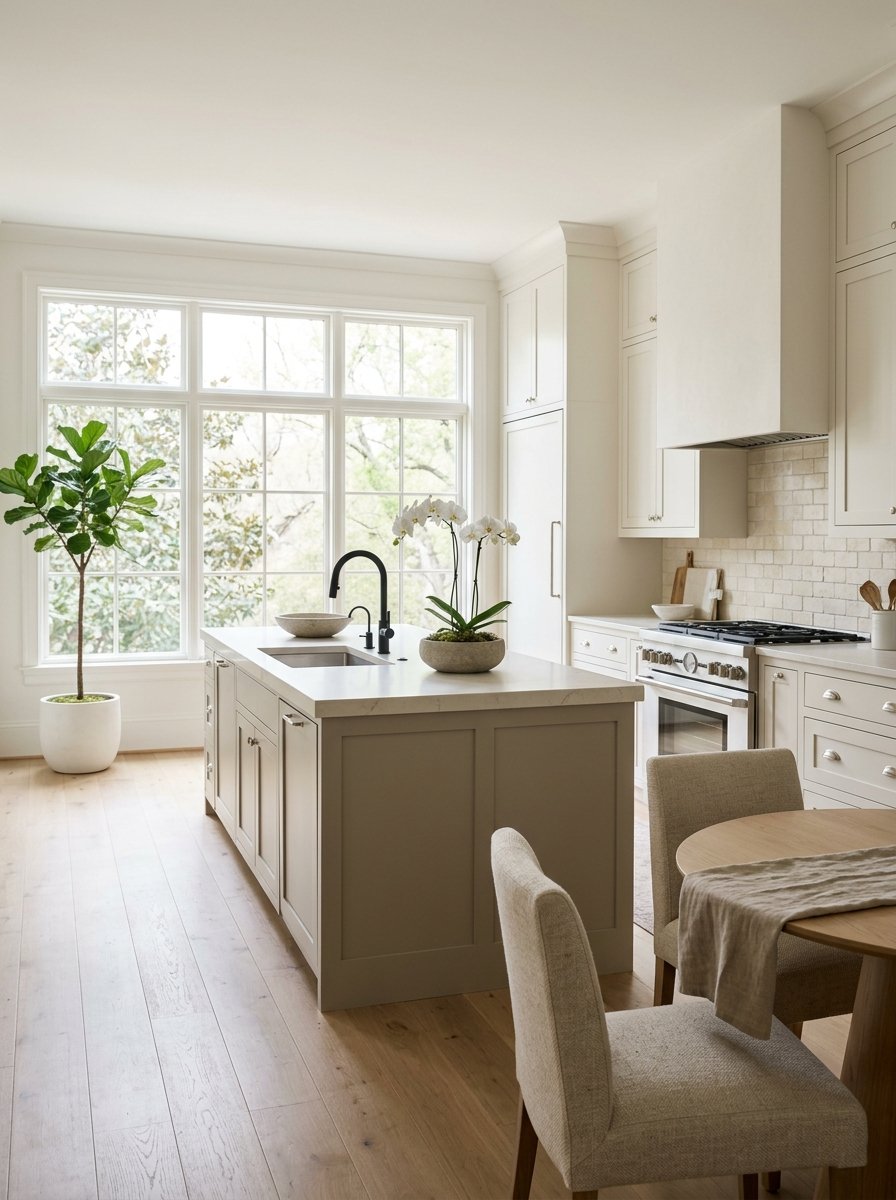
- A more current kitchen or bath finish level
- Better layout flow
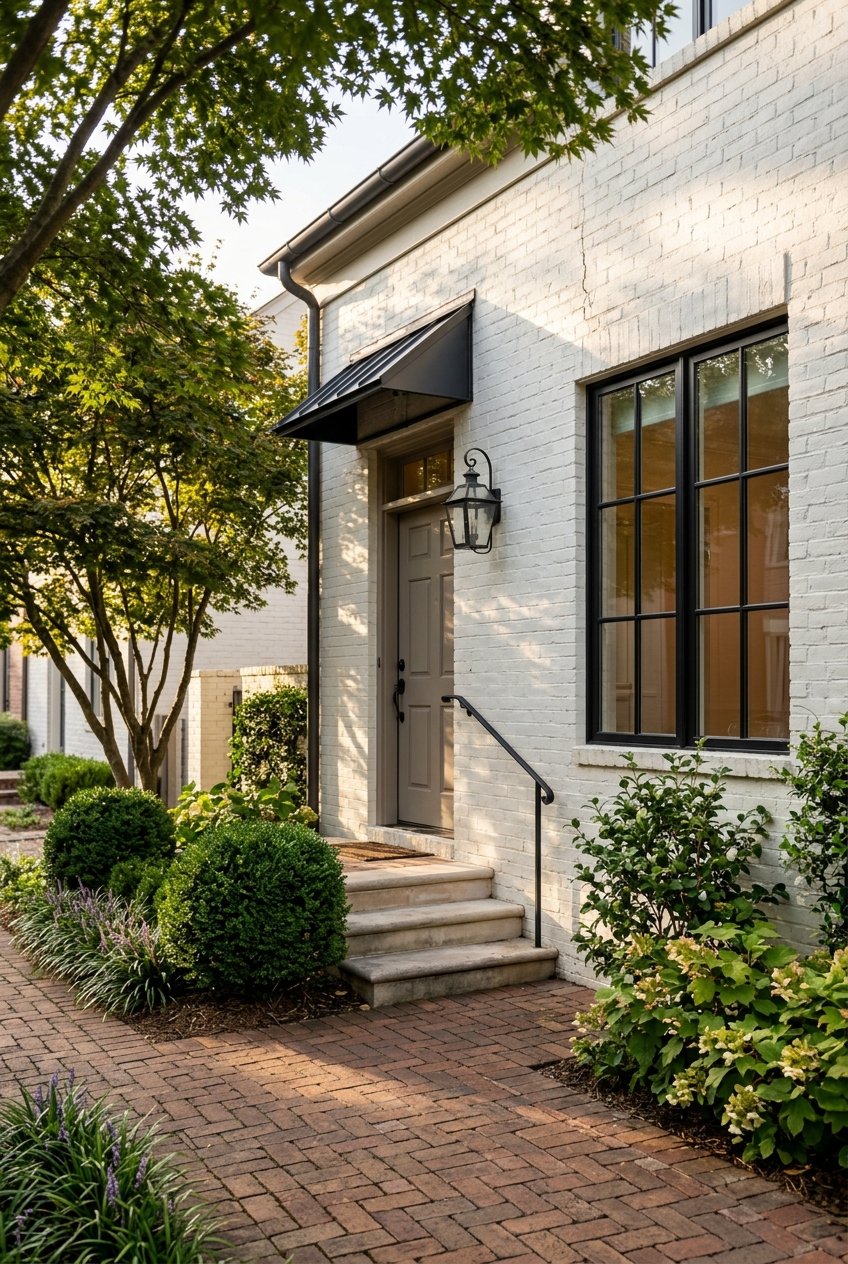
- Stronger curb appeal
- Cleaner presentation
- More favorable site position within the neighborhood
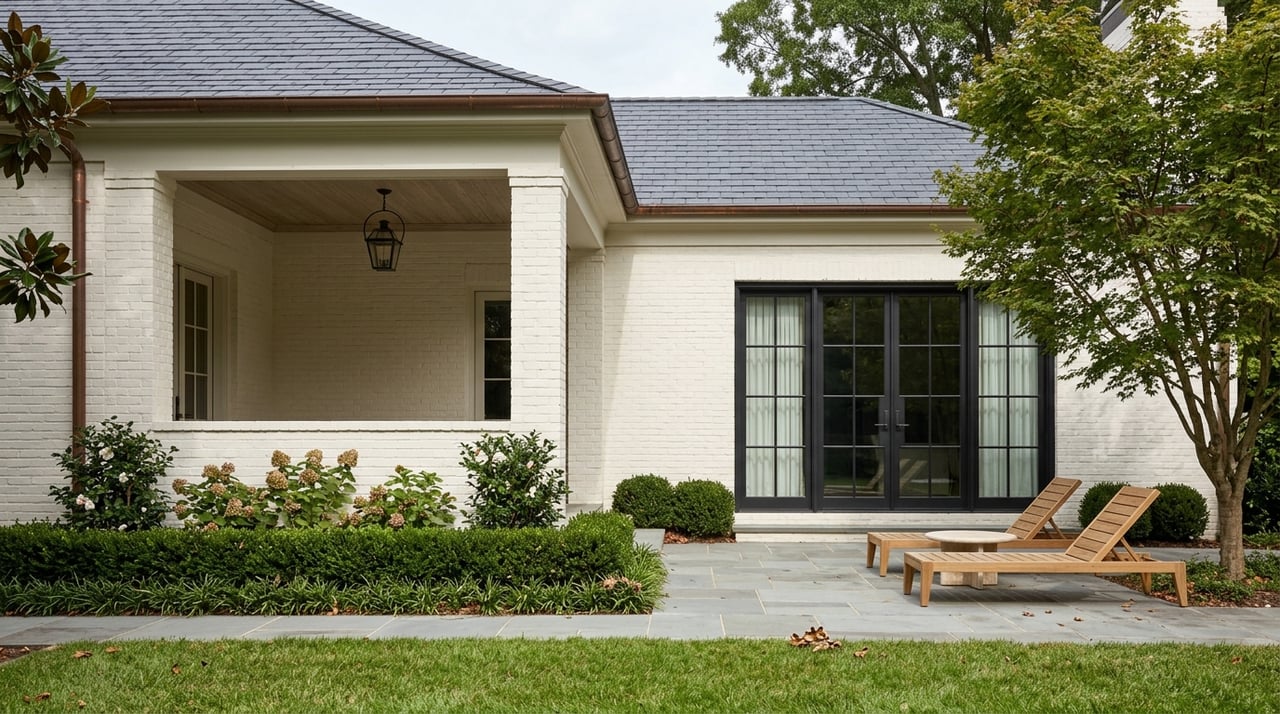
Architecture can matter too. If your home has a style that is especially well-matched to what buyers expect in that pocket of Buckhead, that can support stronger positioning. The key is to judge your home as it stands today, then compare it honestly to what buyers can purchase nearby.
Use Online Estimates Carefully
Online estimates can be useful as a starting point, but they should not drive the list price on their own. Buckhead is simply too segmented for that.
Zillow says its Zestimate is not an appraisal and should be supplemented with a home visit, a professional appraisal, or a comparative market analysis. Its current median error rate is 1.74% for on-market homes and 7.20% for off-market homes nationwide. In Atlanta, the median error rate is 1.45% for on-market homes and 6.56% for off-market homes.
Redfin also says its Estimate is not an appraisal. Its reported median error rate is 1.88% for on-market homes and 7.32% for off-market homes.
Those numbers show why two portals can give you different answers. Each platform uses its own data set and modeling approach, and both depend on having enough nearby, relevant sales data. In Buckhead, where a home’s value can shift based on architecture, renovation quality, site position, or a very specific neighborhood boundary, automated estimates can miss important context.
Separate Tax Value From Market Value
It is also important to keep your county assessment separate from your likely market price. Fulton County assesses property annually at fair market value, and Georgia assesses property at 40% of fair market value for tax purposes.
That makes a tax assessment useful background information, but not a pricing strategy. The number on your tax record does not necessarily reflect how today’s Buckhead buyers are comparing homes in your segment right now.
Read the Market You Are In
Today’s Buckhead market looks more balanced to softening than overheated. Local reporting points to 30326, 30327, and 30342 as balanced, while 30305 leans more toward buyers.
At the metro level, Atlanta’s March 2026 market brief showed 17,723 active listings, 4.0 months of supply, and a median sales price of $418,000, down 1.6% year over year. Sales also rose 29.2% from February, which is a reminder that conditions can shift even within a single season.
For sellers, that usually means pricing discipline matters more than wishful thinking. Buyers may still pay close to asking when a home is well-positioned, but the local sale-to-list ratios of roughly 96% to 99% suggest they are paying attention to value.
Signs Your Price May Need Adjustment
Even a thoughtful launch price may need to change if the market response is weaker than expected. The key is to watch buyer behavior early.
Common warning signs include:
- Low showing activity compared with nearby competition
- Repeated feedback that buyers see better value elsewhere
- Strong online views but limited in-person interest
- Comparable homes going under contract while yours sits
In a market like Buckhead, it is usually better to react sooner rather than later. A well-timed adjustment can help you stay competitive before your listing begins to feel stale.
What Smart Buckhead Pricing Looks Like
A strong pricing strategy in Buckhead is rarely about picking the highest number that seems possible. It is about building a defensible list price from the smallest relevant market, then adjusting for timing, condition, architecture, updates, and buyer expectations.
That is especially important in a place where one zip code can contain homes at a few hundred thousand dollars and others approaching or exceeding several million. Broad averages can blur the picture. Narrow, well-matched comparables bring it back into focus.
If you are preparing to sell in Buckhead, the goal is not just to list. It is to position your home so that buyers understand the value quickly and respond with confidence. For tailored guidance on Buckhead pricing and positioning, connect with Robert Peterson.
FAQs
How should you price a Buckhead home in today’s market?
- You should start with recent comparable sales from the most relevant micro-neighborhood and then adjust for condition, updates, site position, architecture, and current market timing.
Why can Buckhead home values vary so much by neighborhood?
- Buckhead includes multiple neighborhoods and price pockets, and March 2026 data showed large price differences across areas such as Ridgedale Park, Garden Hills, Paces, Mt. Paran, Chastain Park, and Tuxedo Park.
How recent should Buckhead comparable sales be?
- Comparable sales from the last 12 months are generally preferred, though an older sale can still help if it is a better match and market conditions are adjusted appropriately.
Why does an online estimate differ from a Buckhead listing price opinion?
- Online estimates are automated models that rely on available data, while a listing price opinion can account for local boundaries, renovation level, site influence, and other details that may not be fully captured online.
Should you use Fulton County tax value to price a Buckhead home?
- No. A tax assessment can offer context, but it is not the same as current market pricing and should not be treated as your list price target.
What are signs a Buckhead home may be overpriced?
- Slow showings, repeated buyer feedback about value, strong online traffic without serious interest, and nearby competing homes going under contract first can all point to a pricing issue.